My Story

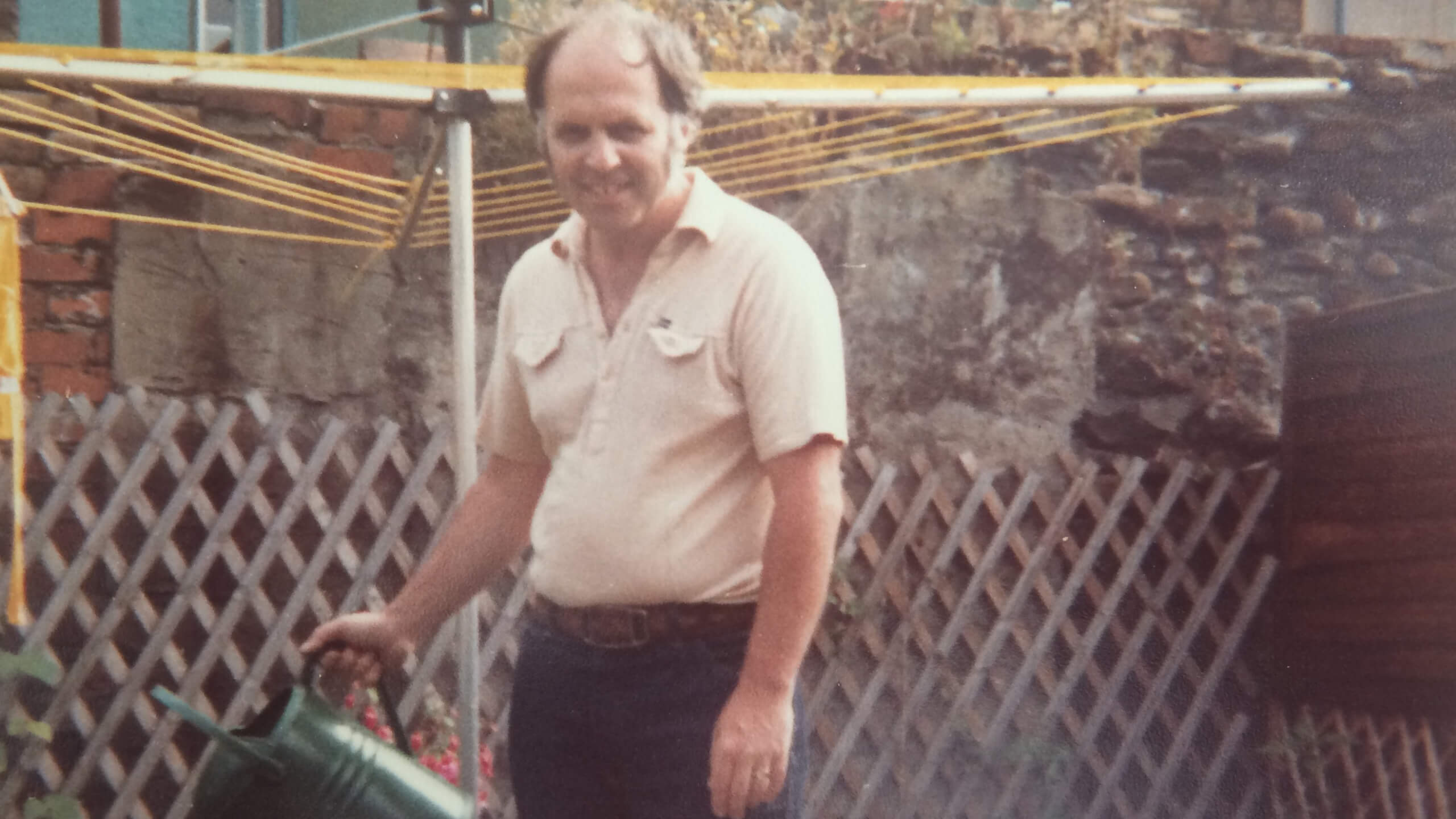
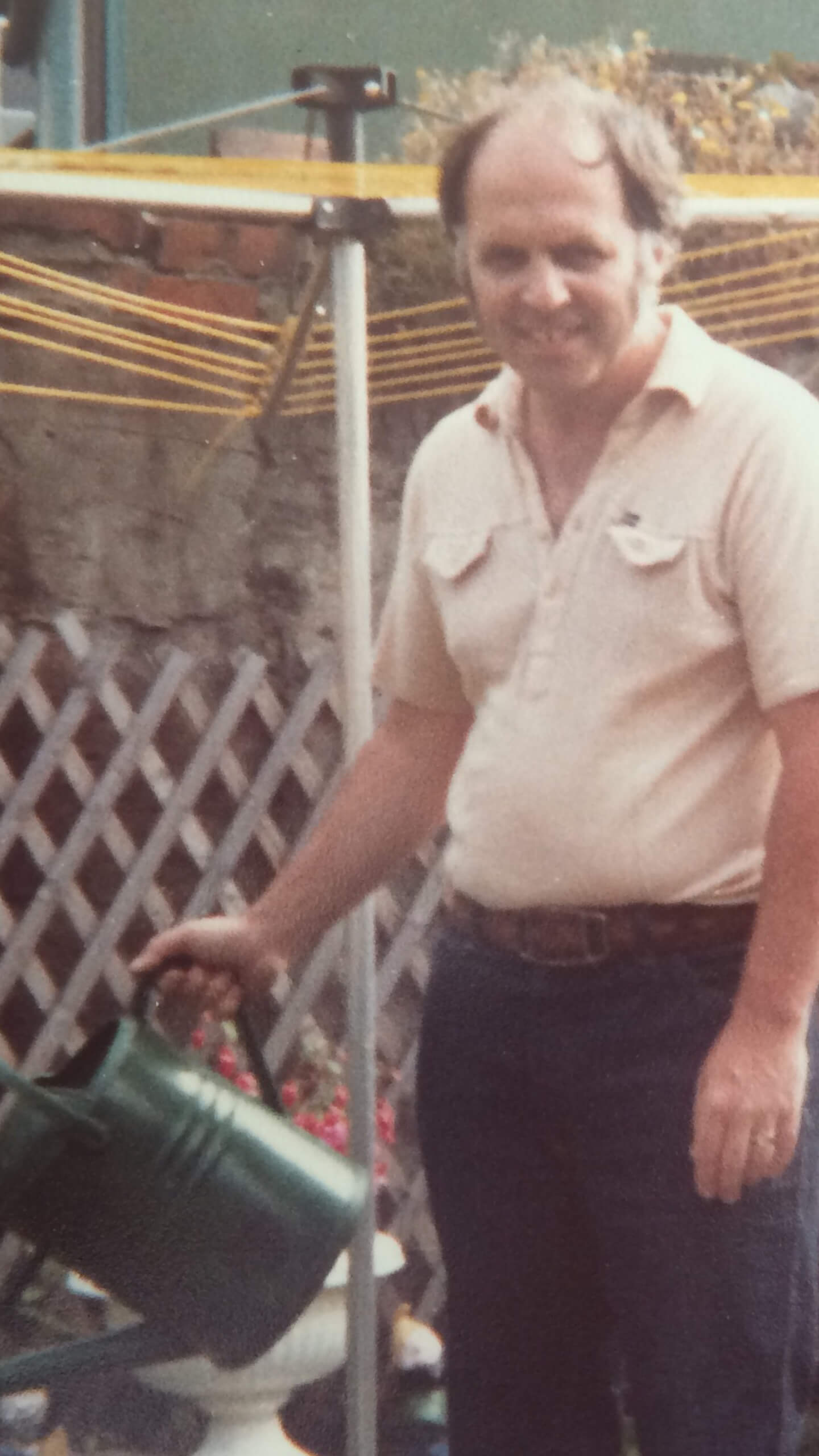
When I was little, my dad was determined that his children should know how to grow things. For him, growing wasn’t just a hobby. Knowing how to grow vegetables and herbs was an important life skill. Even in our tiny terraced back garden we grew a lot of food. If you could grow food and medicine, you had a way of looking after yourself. It was knowledge he believed could keep you alive, and he wanted to pass that on to us.
He tried with my older brother first. My brother wasn’t having any of it. He wanted a computer. So Dad tried with me, the youngest. I remember him showing me how a bean germinates. I was completely fascinated by this little seed changing before my eyes, sending out its first root and beginning to grow. I remember drawing the different stages of the bean germinating for a school project.
Something clicked… I didn’t know it at the time, but that little bean changed my life!
That Christmas, my brother got his computer and I got a blue watering can.
From then on, I grew things with my dad, vegetables, herbs, anything I could get my hands on, and I never really stopped. Nearly forty years later, growing food and medicine is still at the centre of my life. Of course, I didn’t understand any of that when I was little. I just thought it was amazing that you could put a bean in the earth and watch it come alive.
Herbs weren’t just something I heard stories about either. I grew up using them and being taught about them. When I visited my hen famgu (great-grandmother), if I walked through the door saying, “Mae bola tost da fi” (I’ve got a bad stomach), before I’d even had a chance to sit down there would be a cup of mint tea in front of me, made with mint from the garden.
I remember going for walks with my grandparents and them introducing my brother and me to bara a chaws (hawthorn), picking the leaves for us to chew as we walked. My dad introduced me to pignut too. He told me how, when he was a boy, he would dig up the little tubers and eat them as a snack when he was out riding his bike. Of course, I wanted to try them too.
This was how I first learned about plants. Not from books or courses, but from my family, in the garden, on walks and through the little bits of knowledge that were simply passed from one generation to the next. Herbs and wild plants weren’t seen as something strange or “alternative”. They were just part of life.
At that point, I still had no idea that plants would eventually become my profession. That would take becoming very unwell myself…
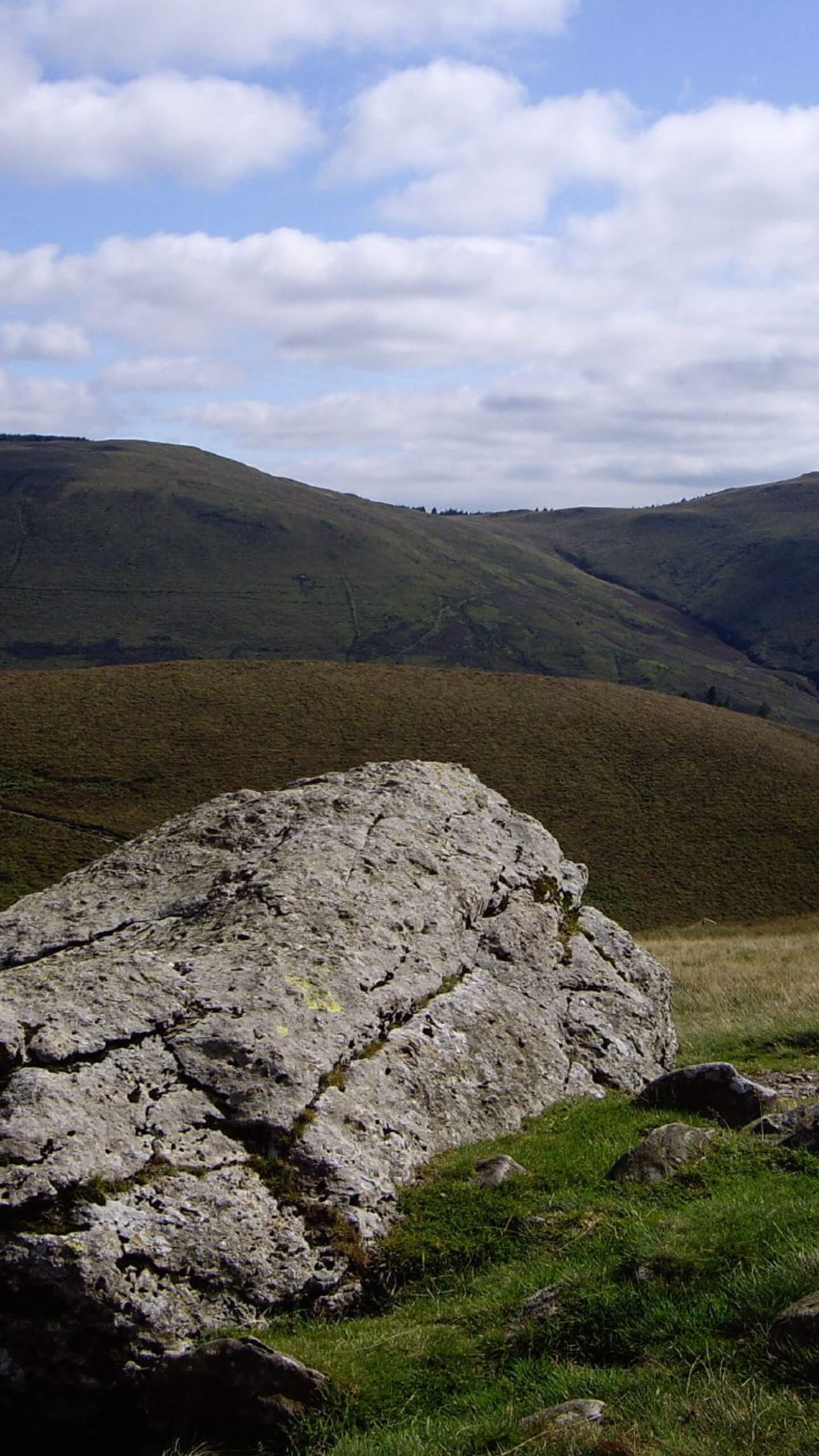
In 2008, everything changed. I started becoming tired, except the word tired doesn’t come anywhere close to describing how I felt. Every cell in my body seemed to weep with fatigue. I had brain fog, confusion, digestive problems, migraines, memory problems, clumsiness and problems with coordination. I experienced blurred vision, pins and needles and strange neurological sensations that I couldn’t explain. I knew something wasn’t right.
Eventually, I was diagnosed with pernicious anaemia, an autoimmune condition that affects the body’s ability to absorb vitamin B12. I finally had an explanation for what was happening to me, but having a diagnosis didn’t mean everything suddenly became easy.
Despite treatment, I continued to struggle with symptoms and there were times when I felt as though I wasn’t being listened to. Eventually, I started learning everything I could about my condition and became much more involved in understanding and managing my own health.
I trained as a herbalist, naturopath and nutritionist, in the beginning to help myself. I wanted to understand food, the body, plants and all the different things that influence our health, but I ended up completely changing my career.
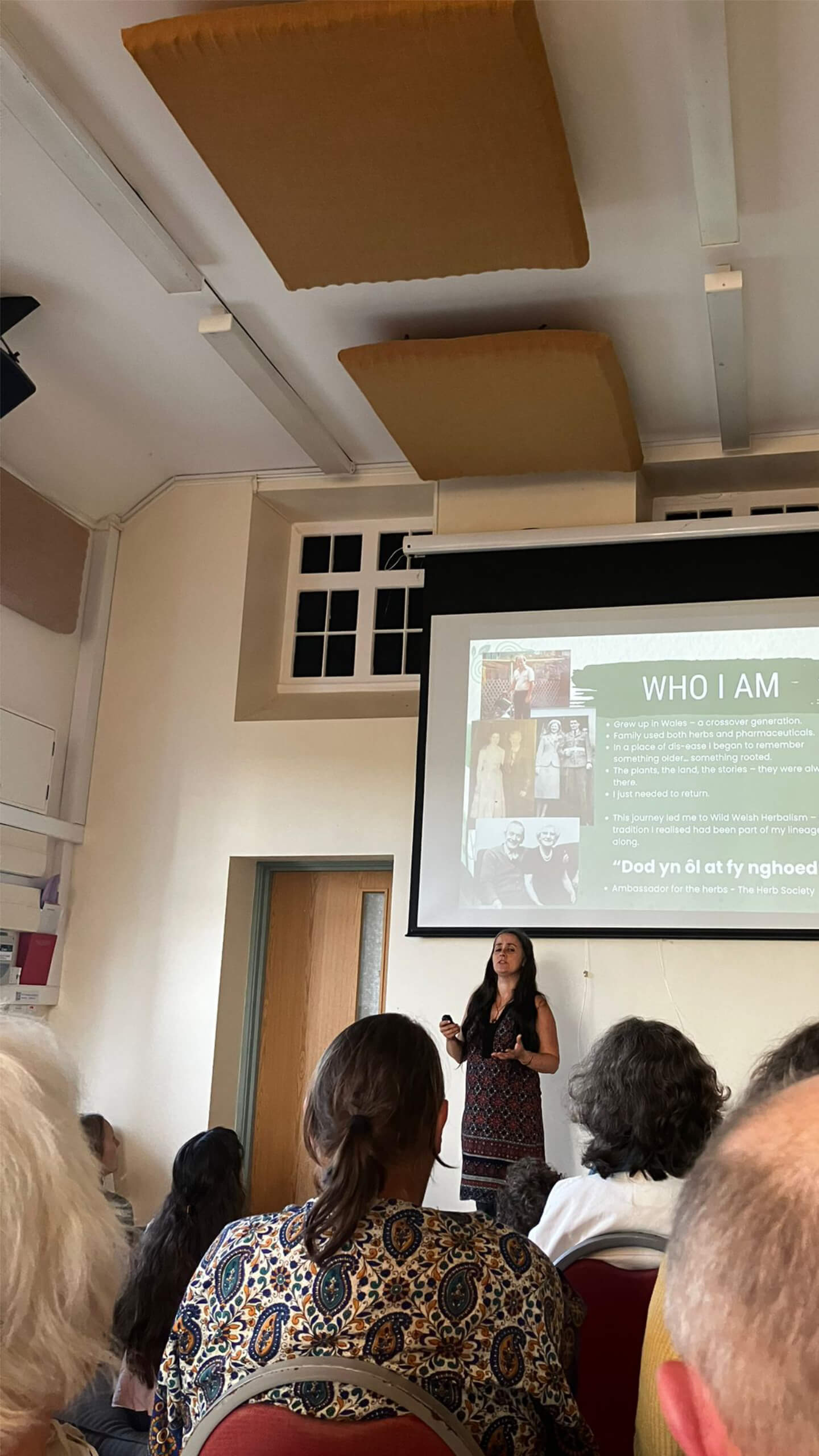
I began working with clients and started teaching again. That probably shouldn’t have surprised me. I’d already spent years as a teacher; I had simply found something new that I couldn’t stop talking about.
I enjoyed working clinically, but the thing that really lit me up was teaching. I loved showing somebody a plant and watching their face when they realised, “That’s medicine? I’ve got that growing in my garden!”
I didn’t want people to know herbs only as something dried in a packet or written on the side of a supplement bottle. I wanted them to know the actual plant: to grow it, smell it, taste it, know when to harvest it, learn how to make medicine from it and understand how to use it safely.
The little girl with the blue watering can was still very much there, and teaching gradually moved from being one part of my work to becoming the heart of it.
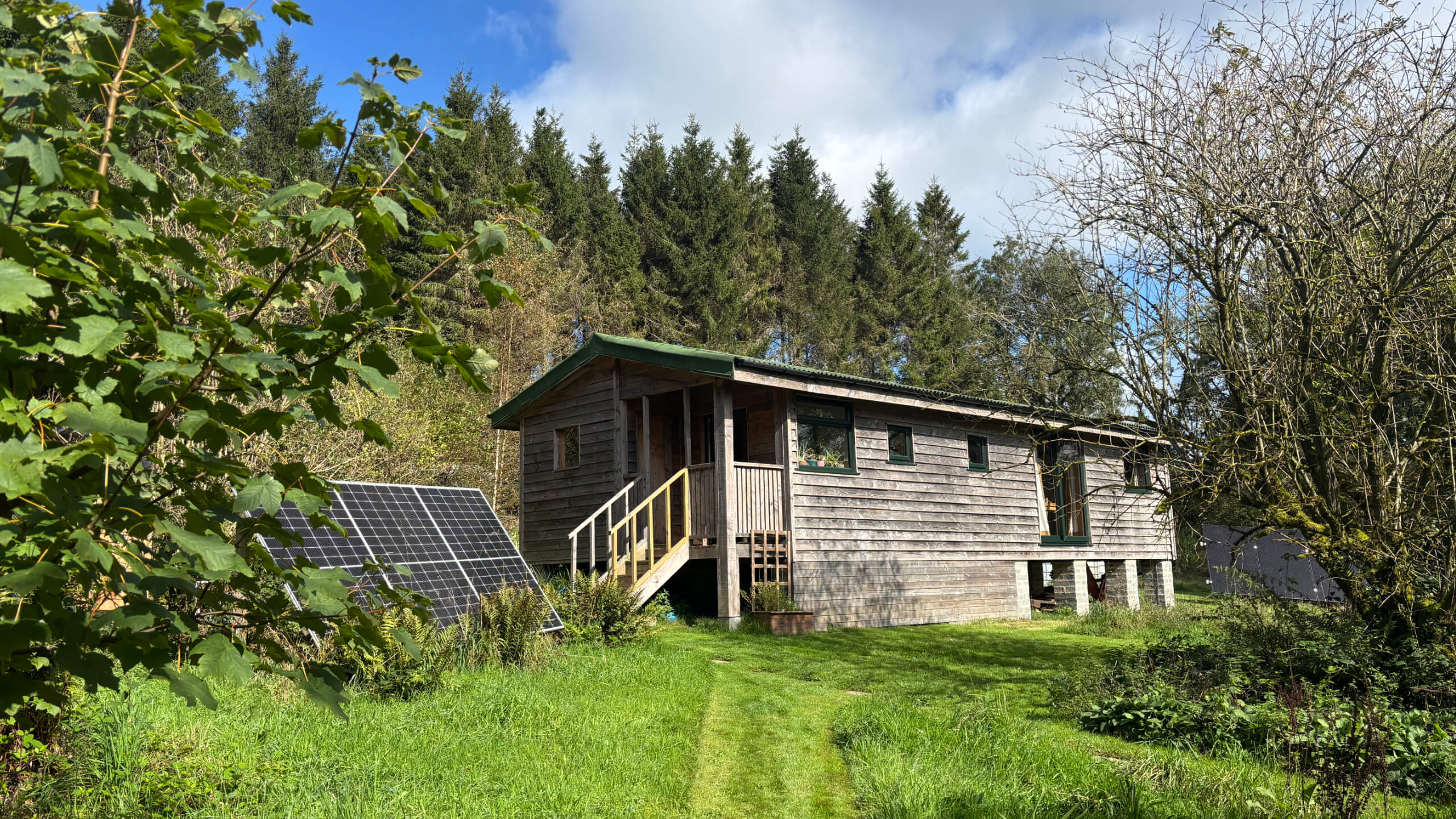
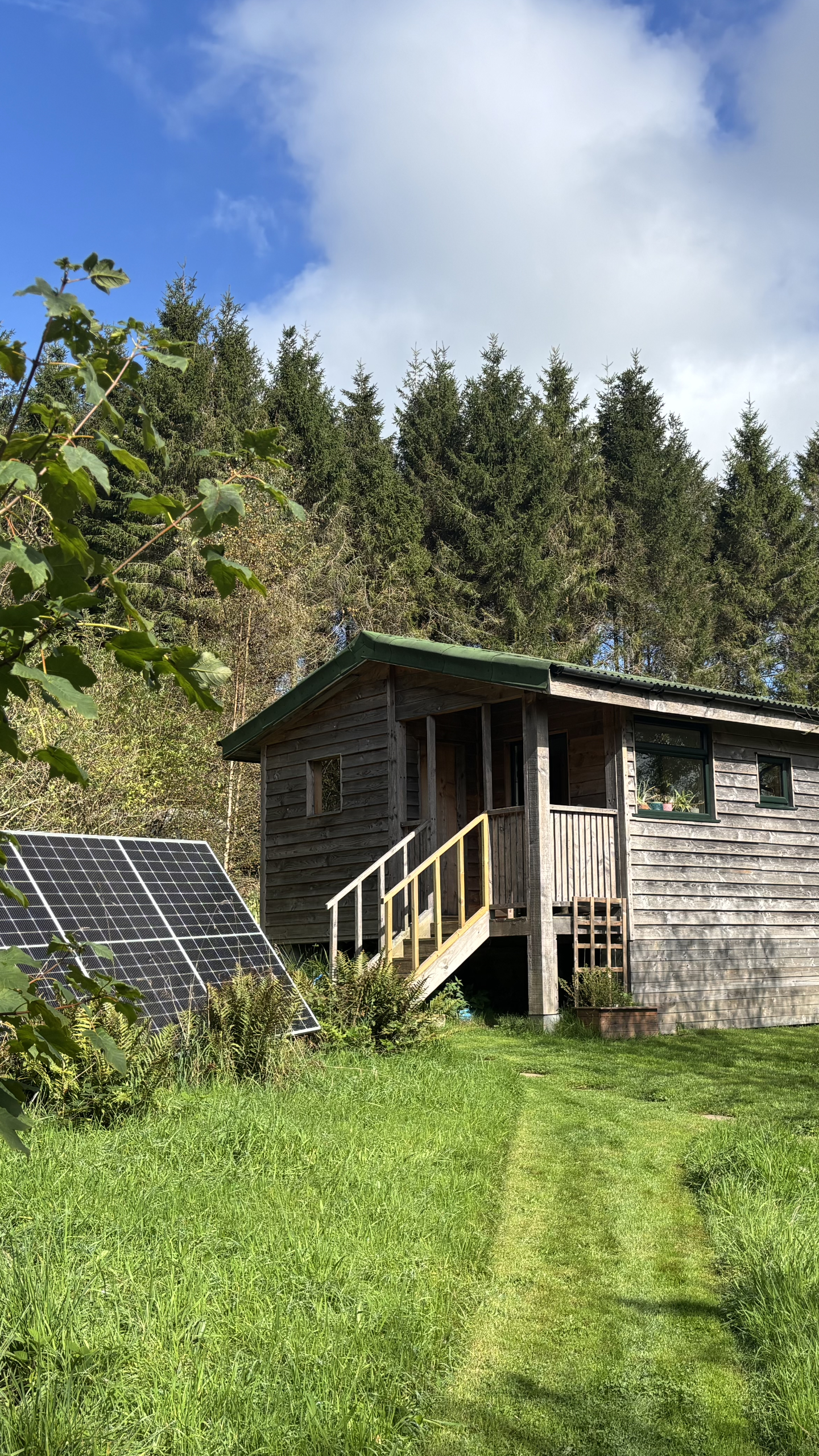
My partner and I moved to West Wales and bought ten acres of land, with very little money, a big mortgage, and a lot of trust that somehow we would work the rest out. Over the years we built our own wooden home and created Ysbryd y Coed.
We now live off-grid here, surrounded by the food and medicinal plants I’ve spent most of my life growing, and our woodland has also become my classroom. Students come here to learn about plants, make medicine, walk through the gardens and woodland and get their hands into the earth.
But even after all of that, there was still a piece of my work that didn’t quite fit…
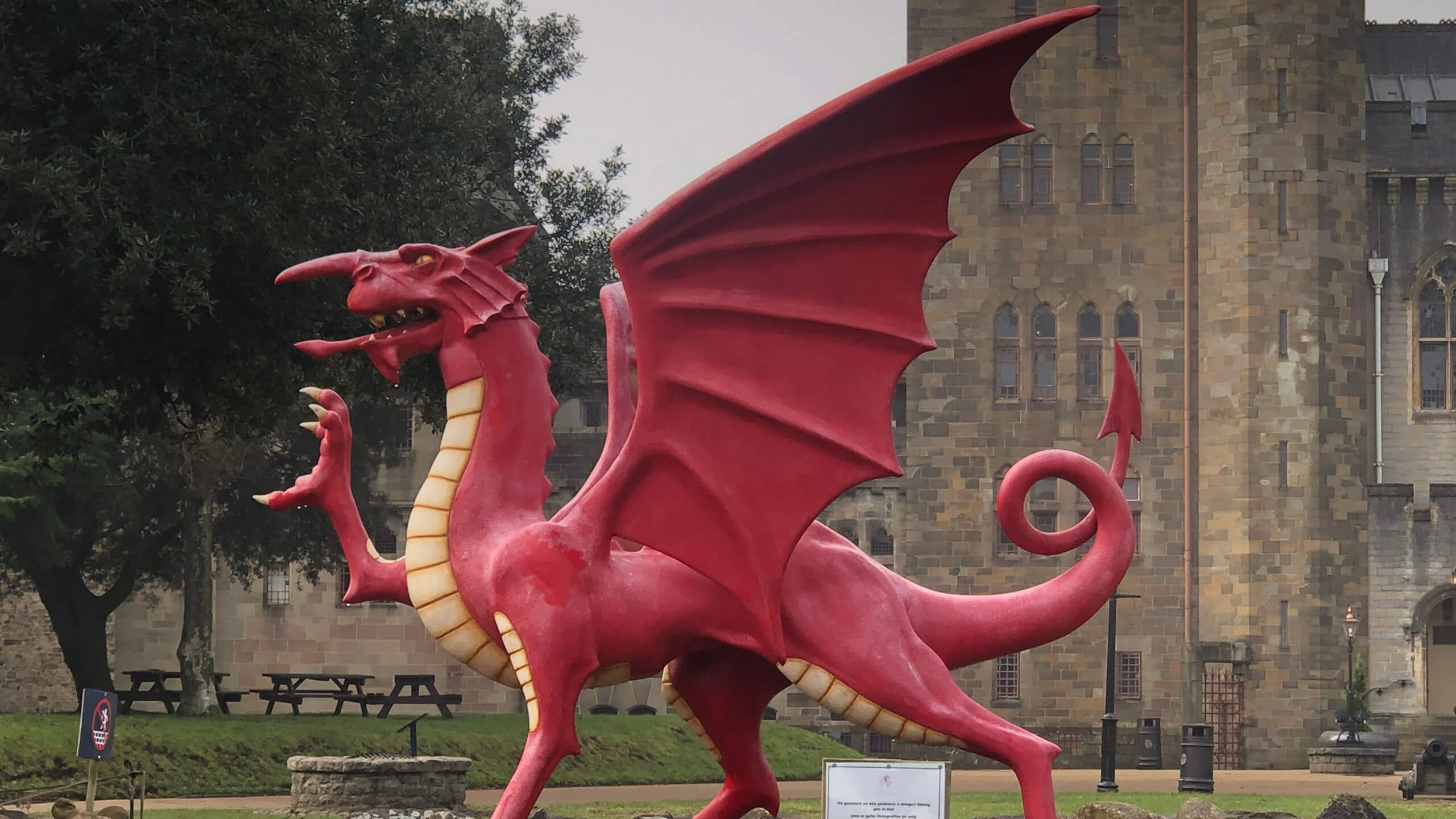
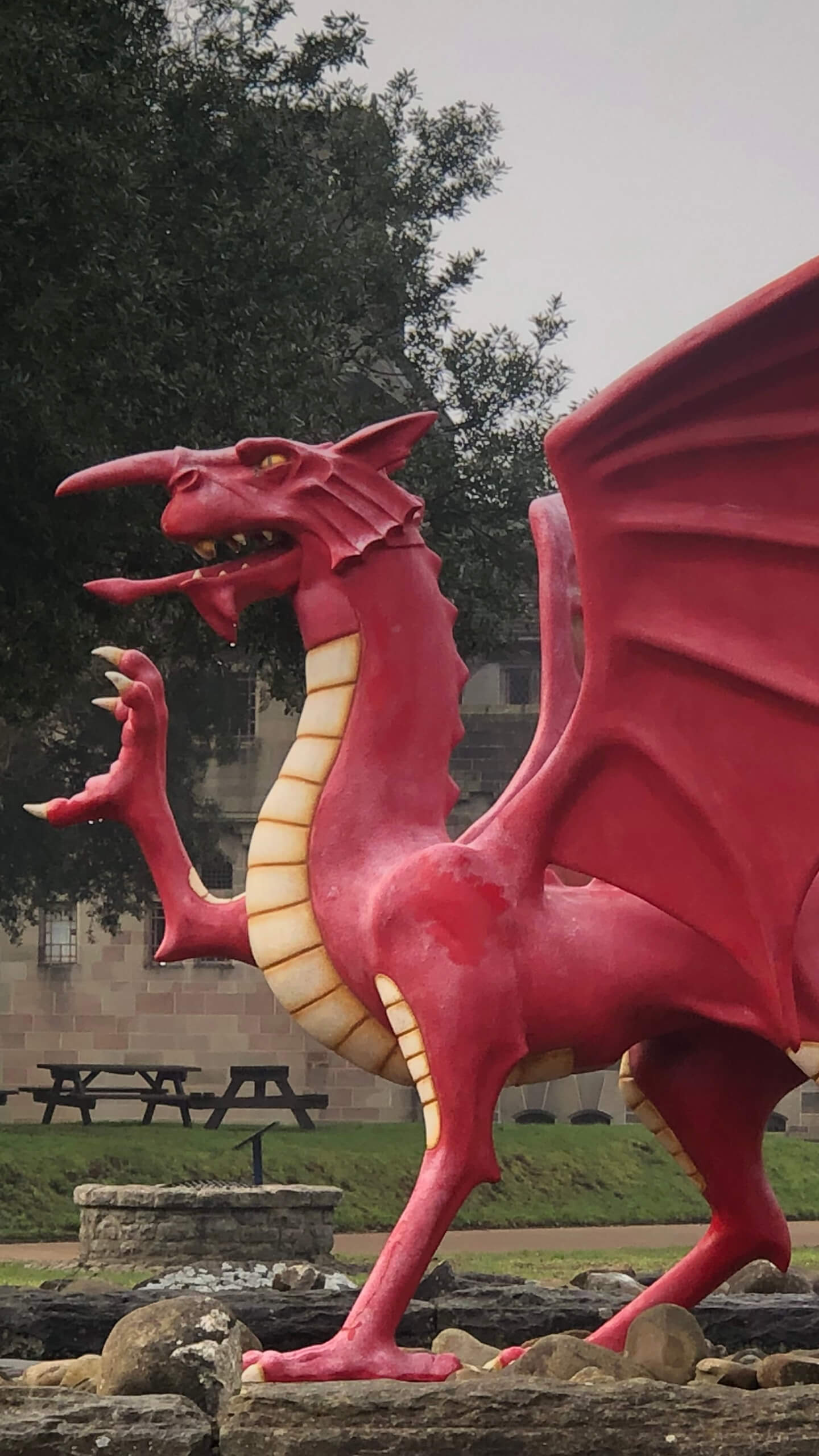
I was a Welsh herbalist, living in Wales, growing medicinal plants in Wales and teaching herbal medicine in Wales, and yet I began to realise how little Wales had featured in my formal herbal education.
I started asking questions. What were the Welsh names for the plants I was teaching? How had these plants been used here? What did the Physicians of Myddfai write about? What herbal knowledge survived in our old texts and traditions? What could we learn from Welsh folklore and mythology? And why did I know the stories and herbal traditions of cultures thousands of miles away better than I knew my own?
That last question really bothered me. So I started digging, and the more I found, the more I wanted to know.
It also made me look back at the things I’d grown up with differently. The mint tea from my hen famgu, chewing hawthorn leaves with my grandparents, my dad showing me pignuts and teaching me to grow food. I hadn’t thought of any of these things as a “Welsh herbal tradition” when I was a child. They were just things my family knew and did.
I began to wonder how much knowledge like this had quietly been passed down through families without ever being written down or given a name.
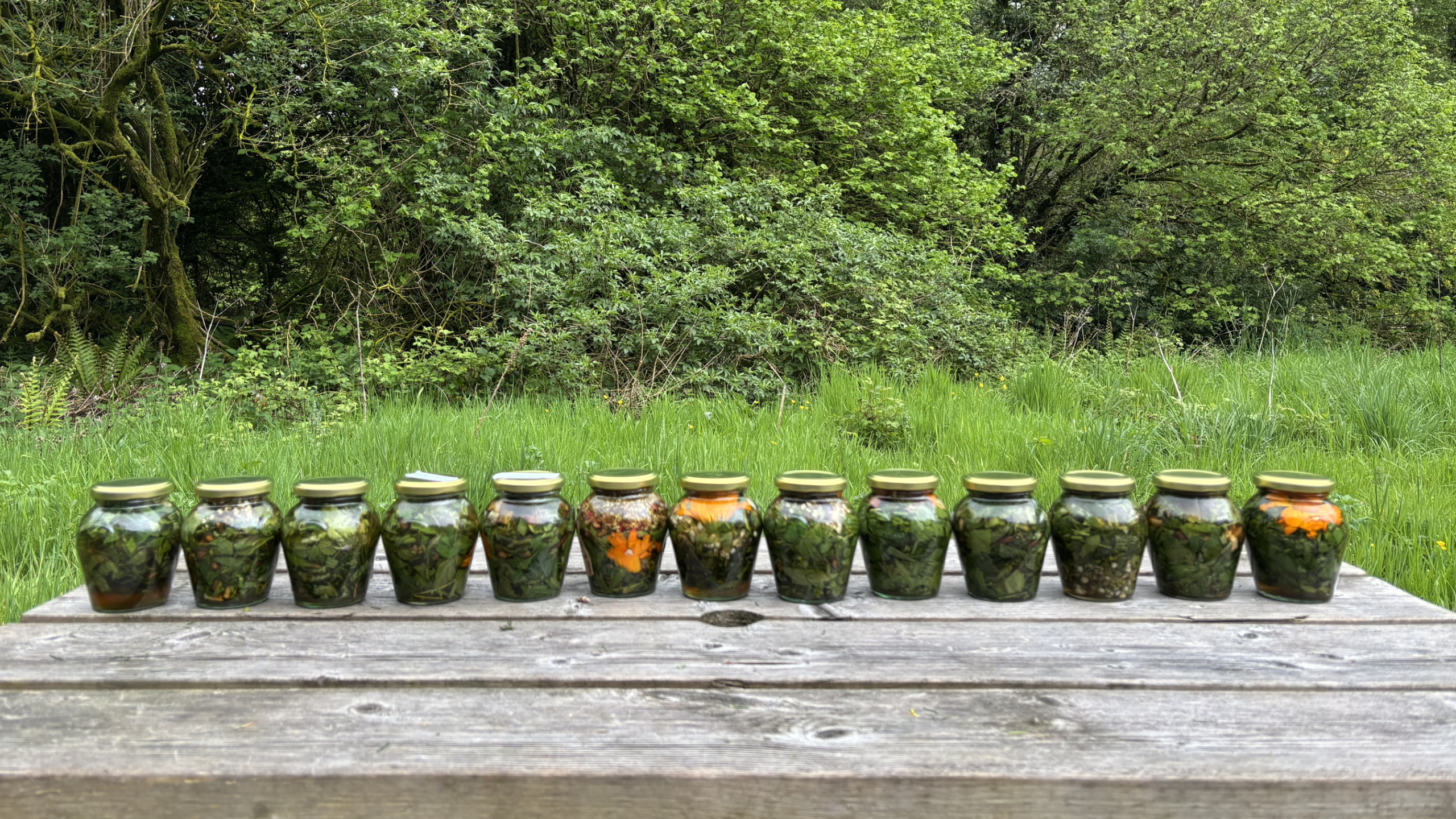
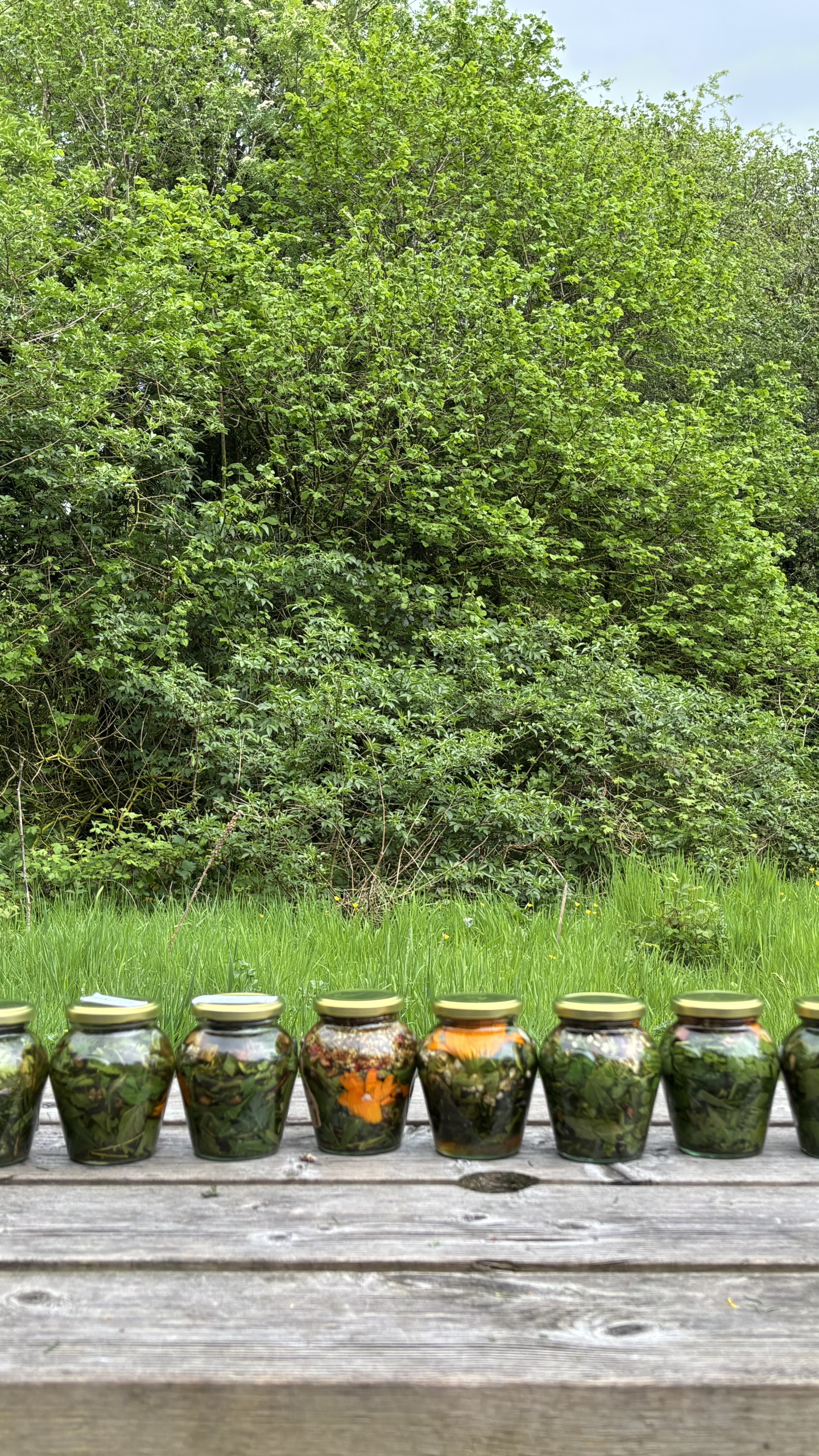
When my dad died, something shifted in me. I found myself looking for my roots. Grief made me question where I came from and what connected me to the people who came before me. I found those roots in my culture and, increasingly, in my language.
I began looking more deeply at Wales, not simply as the place where I lived, but as my home, my culture and the landscape that had shaped my family. At the same time, I began finding my way back to Cymraeg.
Like many Welsh people, my relationship with the Welsh language is complicated. I wasn’t a fluent Welsh speaker, so returning to the language as an adult wasn’t simply about learning vocabulary and grammar. It became part of understanding where I came from.
And, of course, the language led me straight back to the plants…
As I learned more Welsh, I started looking differently at the names of the plants I was teaching. Plant names carry information. They carry descriptions, associations, stories and little fragments of the way people before us understood the natural world.
My herbalism, my culture and my language weren’t separate things anymore. They were all becoming part of the same story. Out of all of those questions, Wild Welsh Herbalism® began to grow.
For me, Wild Welsh Herbalism isn’t about pretending there was once a perfectly preserved Welsh system of herbal medicine that we can simply bring back. Plants move, people move, knowledge moves and traditions change.
I’m interested in something much more practical: what happens when we practise herbal medicine from the place where our feet actually stand?
For me, that’s Wales. It means looking at the medicinal plants growing around us alongside Welsh language, history, traditional knowledge, folklore and mythology. It means questioning why we sometimes import herbs from thousands of miles away when useful medicinal plants are growing in our gardens and hedgerows. It means growing and foraging where we can, and recognising that a herbal tradition doesn’t stay alive because we preserve it behind glass. It stays alive because people practise it.
We grow the plants, we make the medicine, we tell the stories… we pass the knowledge on.
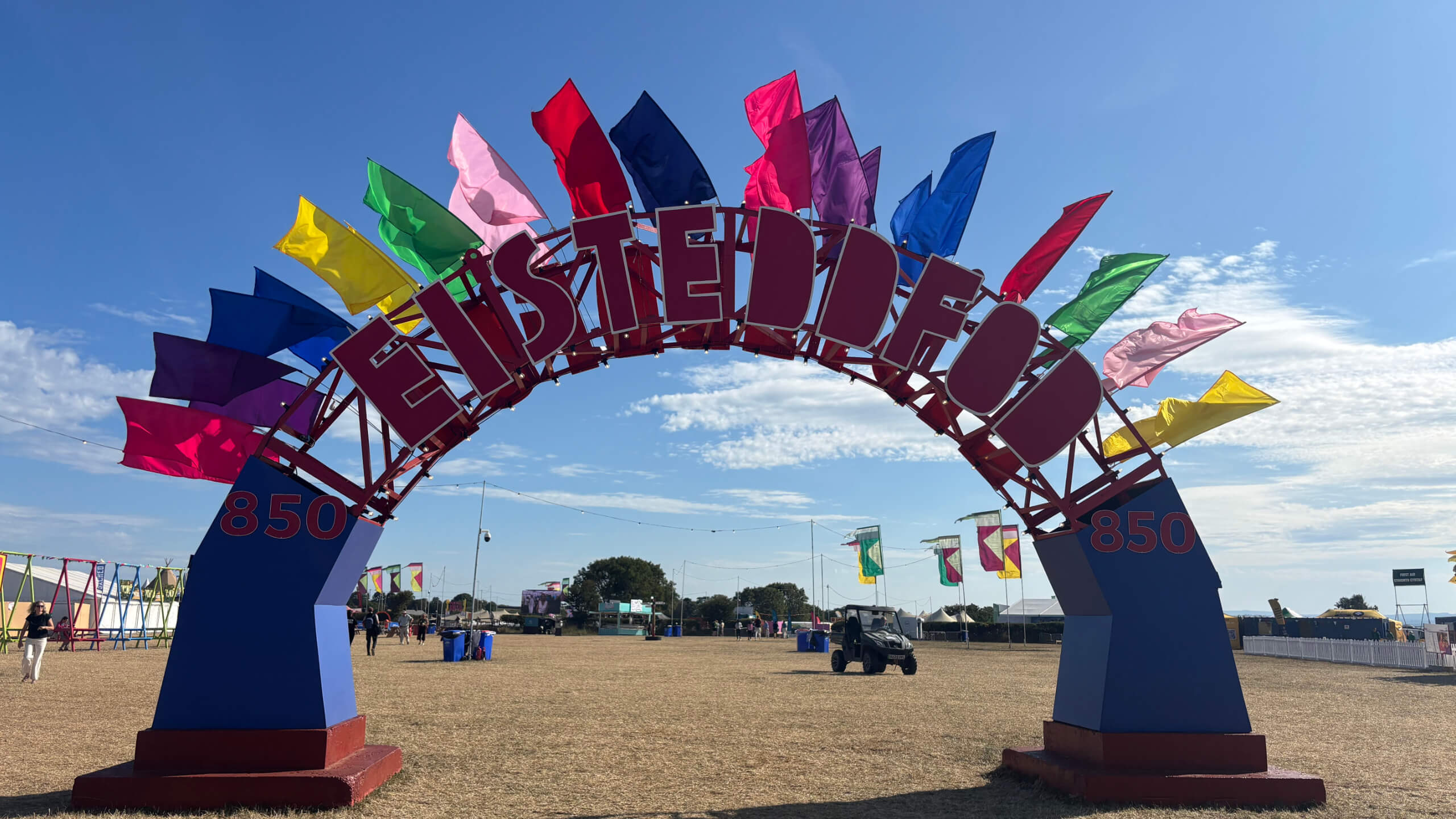
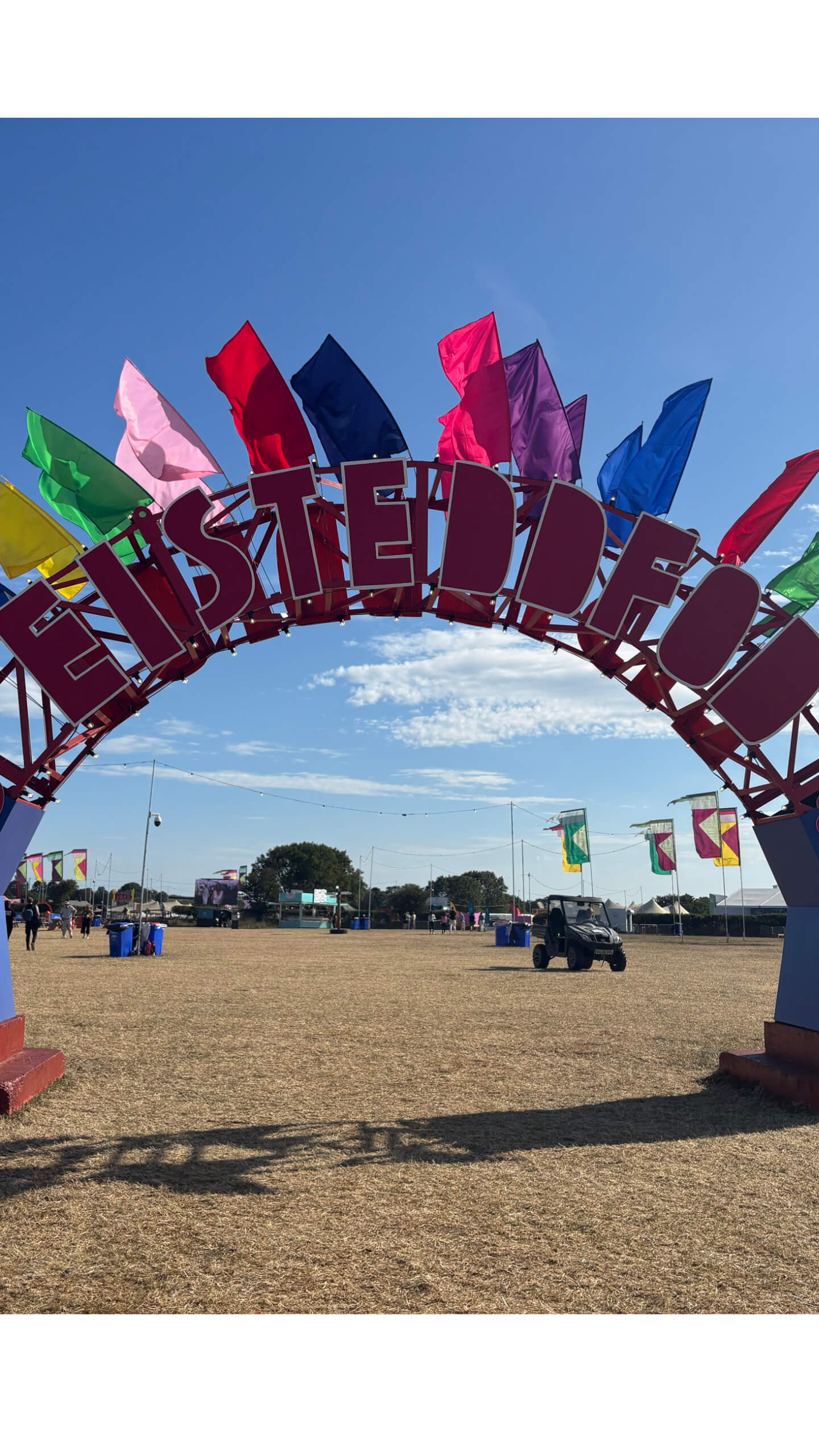
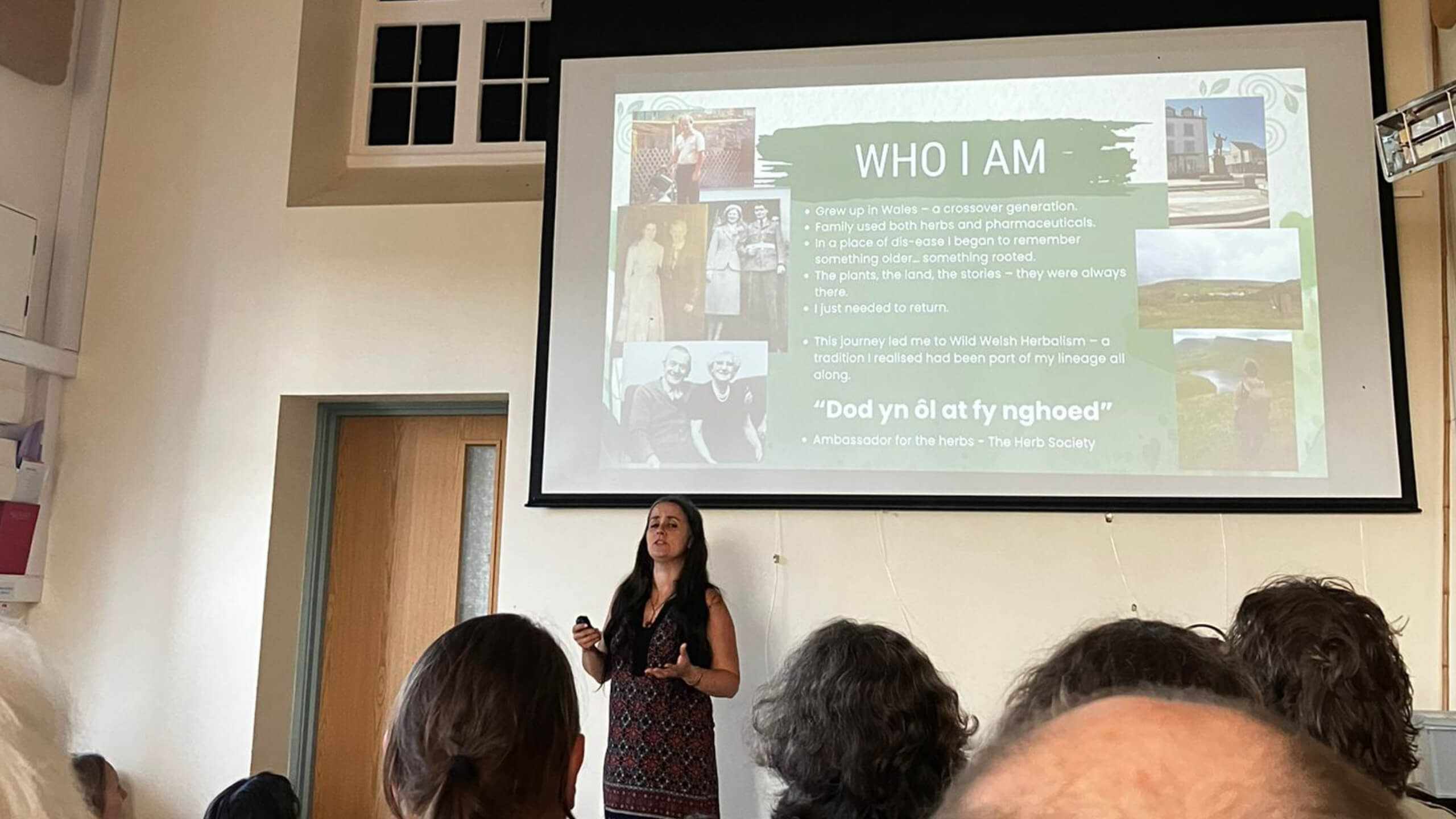
In 2026, all of those different threads came together in a way I could never have imagined when I first returned to learning Welsh. I stood up at the National Eisteddfod and gave my first complete talk in Welsh about Wild Welsh Herbalism. I was terrified, I made mistakes, but I did it.
I’m still a learner, I still make plenty of mistakes and there is still an enormous amount I don’t know. That’s okay. This isn’t about arriving at some point where I can say, right, I’ve finished learning now. I hope I’m still learning when I’m ninety.
One part of my original vision has never really changed: I want to live what I teach. For me, health has never been about finding one miracle herb, supplement, diet or “golden nugget”. Human beings are more complicated than that. Over the years, my way of looking at health has become:
“You are what you drink, eat, think and excrete and how you move, rest and connect.”
That last word, connect, has probably become more important to me as I’ve got older. Connection with ourselves, other people, our communities, our culture and the natural world we’re part of. I don’t believe nature is somewhere we go at the weekend. We are nature.
Today, teaching is at the centre of what I do. I teach Wild Welsh Herbalism here in West Wales and to students online, while continuing to explore Welsh herbal traditions, language, folklore and mythology. I’m currently taking a sabbatical from clinical practice while I write my first book and develop the next stage of my teaching, including professional herbal practitioner training here in Wales.
Sometimes I look around at the medicinal gardens, the woodland, the shelves of tinctures and dried herbs, the students learning here and the wooden home that once existed only as a picture above my desk, and I think about where it all started…
My dad showing me how a bean germinates and that Christmas when my brother got his computer and I got a blue watering can.
Nearly forty years later, I’m still growing things. The garden has just got quite a bit bigger!